Looking for a suburb that feels a little quieter, a little greener, and still practical for daily life? Warrenville stands out for exactly that balance. If you want a place where trails, preserves, and open space are part of your routine, while I-88, Naperville, and major job centers stay within easy reach, this guide will help you understand what makes Warrenville worth a closer look. Let’s dive in.
Why Warrenville Feels Different
Warrenville is a compact DuPage County suburb about 30 miles west of Chicago along the I-88 corridor. The city frames itself as a small-town community with a connected feel and a strong focus on protecting open space and trail networks.
That identity is backed up by the numbers. The Census Bureau’s 2024 estimate places Warrenville at about 15,247 residents across 5.46 square miles. With a 74.6% owner-occupied housing rate, a median household income of $100,321, and a mean commute time of 27.4 minutes, Warrenville reads as an established suburban community with a relatively stable housing base.
For buyers, that often translates into a town that feels manageable. You are not looking at a massive suburb where everything is spread far apart. Instead, Warrenville offers a smaller footprint with a distinct sense of place.
Nature Is Part of Daily Life
In many suburbs, parks are a bonus. In Warrenville, nature is one of the main reasons people look here in the first place.
According to the city, Warrenville sits on the West Branch of the DuPage River and is surrounded by five forest preserves and Fermilab, creating roughly 10,000 acres of public open space and about 30 miles of off-road bike paths. The Illinois Prairie Path also runs through the center of town, which gives you direct access to a much larger recreation network.
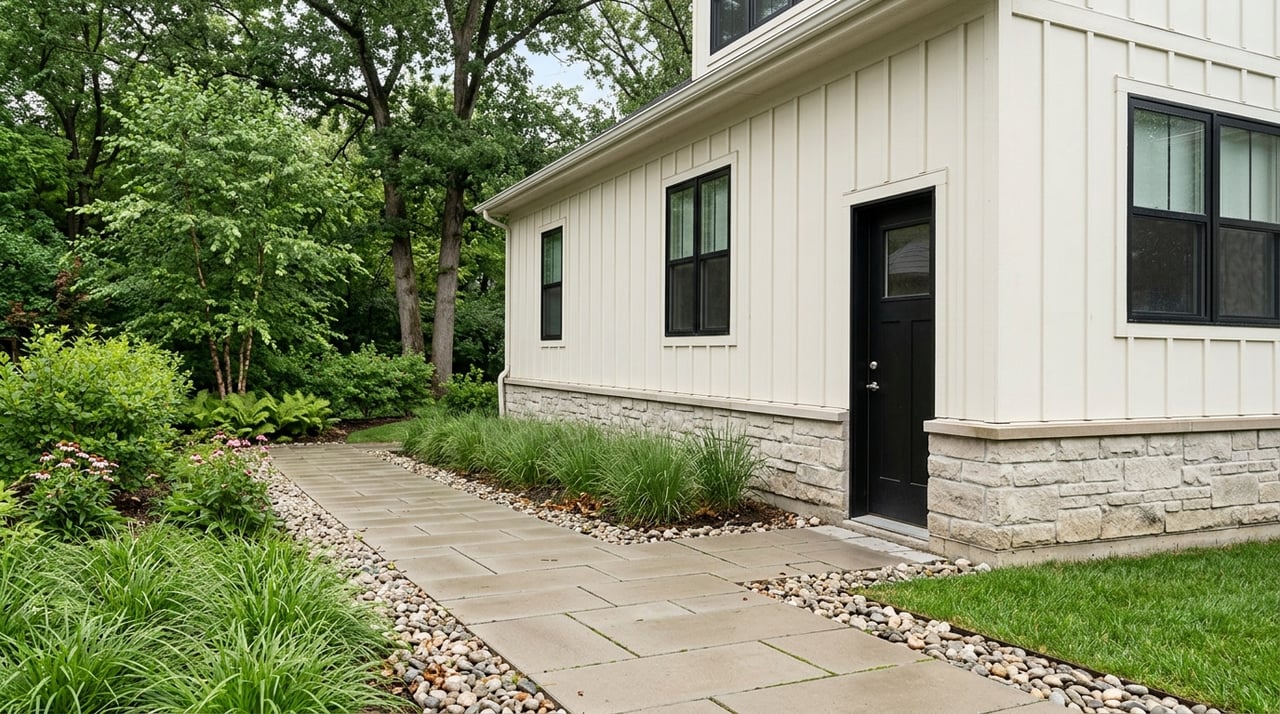
That matters because it makes outdoor access feel woven into everyday life. Whether you bike, walk, run, paddle, or just want more breathing room around you, Warrenville offers more than a few isolated green pockets.
Blackwell Forest Preserve
Blackwell Forest Preserve is one of the area’s biggest draws. It offers more than 7 miles of trails, along with camping, boating, archery, fishing, an off-leash dog area, and winter tubing at Mount Hoy.
The setting includes woods, prairies, grasslands, wetlands, and river-adjacent terrain. For homebuyers, that variety adds real lifestyle value because it gives you multiple ways to use the preserve across different seasons.
St. James Farm
St. James Farm brings another layer to Warrenville’s outdoor appeal. This 595-acre preserve includes more than 100 acres of woodlands, prairies, and wetlands.
Its trails connect to the Illinois Prairie Path, which means it functions as part of a broader system rather than a stand-alone destination. If you want a town where outdoor recreation feels connected and easy to access, this is a meaningful advantage.
Warrenville Grove
Warrenville Grove is a 127-acre preserve with trails, picnic areas, woodlands, shoreline along the West Branch DuPage River, and a canoe launch. It also connects into the Illinois Prairie Path Aurora Branch.
Through that trail network, you can reach Blackwell, St. James Farm, Herrick Lake, and Danada preserves. For buyers who care about active living, this kind of linkage is a major part of Warrenville’s identity.
What the Housing Mix Looks Like
Warrenville is not a one-note housing market. That is important if you are comparing it with suburbs that are dominated by only one type of home.
CMAP data from 2019 to 2023 show a mixed housing stock: 45.8% detached single-family homes, 27.1% attached single-family homes, 15.6% in five-to-nine-unit buildings, and 8.4% in three-or-four-unit buildings. In simple terms, you can find a broader range of ownership and housing styles here than in many nearby communities.
That variety can help different kinds of buyers. You may be looking for a traditional detached home, a lower-maintenance attached option, or a property type that fits a more budget-conscious or flexible lifestyle.
Established Homes and Neighborhoods
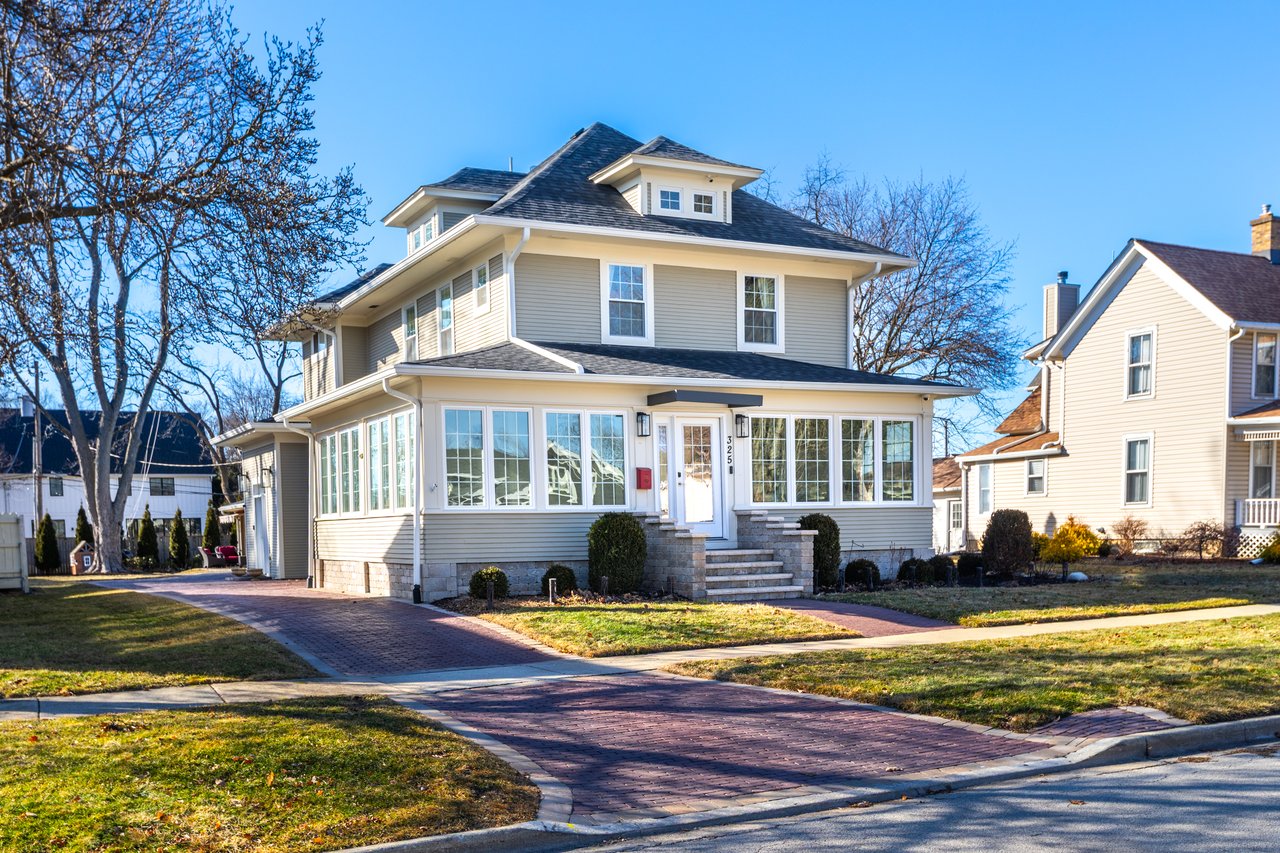
Warrenville’s housing stock leans established rather than brand new. CMAP reports a median year built of 1980, and 52.2% of homes were built between 1970 and 1989.
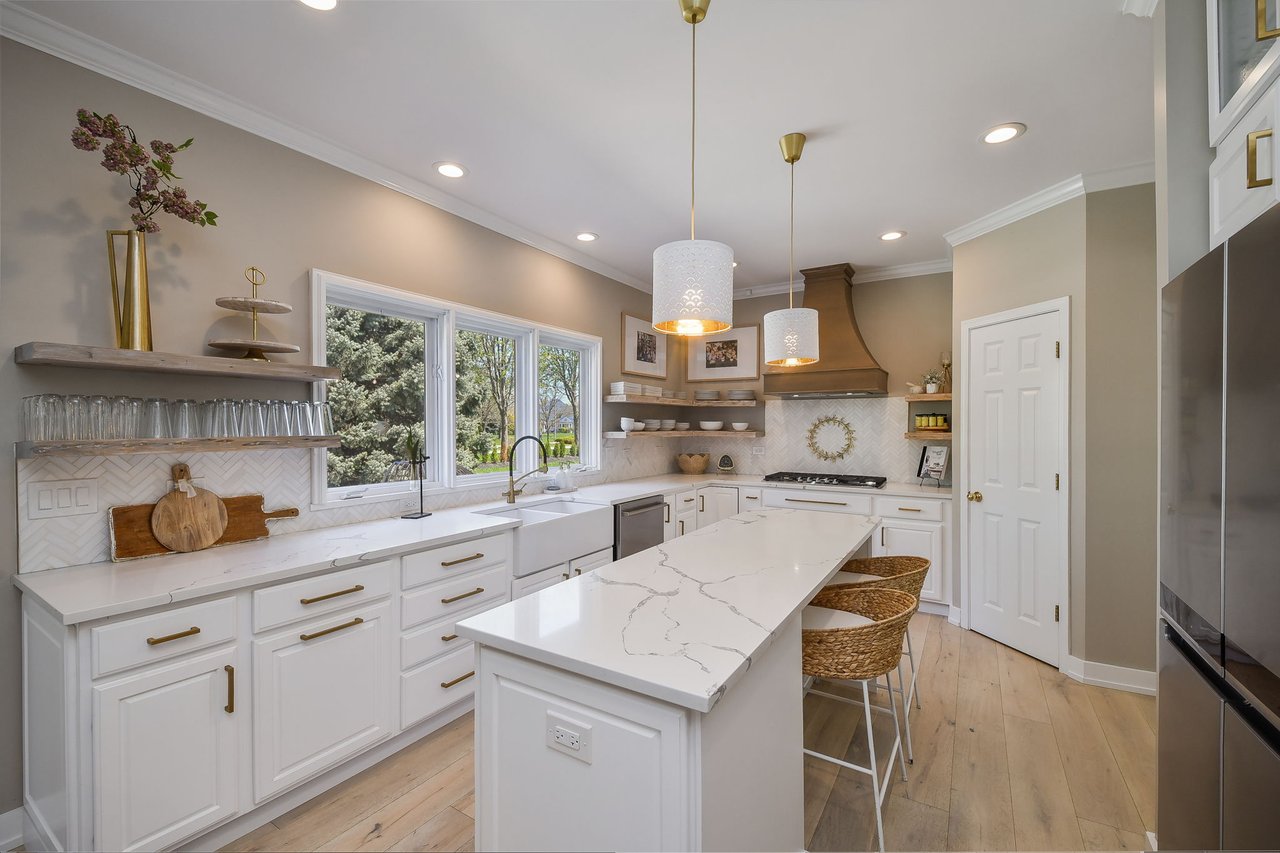
That often means mature streetscapes, homes with more variation in design, and neighborhoods that have been part of the community fabric for decades. It can also mean that some properties may need updates, depending on the home and subdivision.
The city’s planning documents note that some older subdivisions need investment and rehabilitation. For buyers, that is not necessarily a drawback. It can mean opportunity, especially if you value location, lot size, or long-term upside and are open to improvements over time.
Attached and Multifamily Options
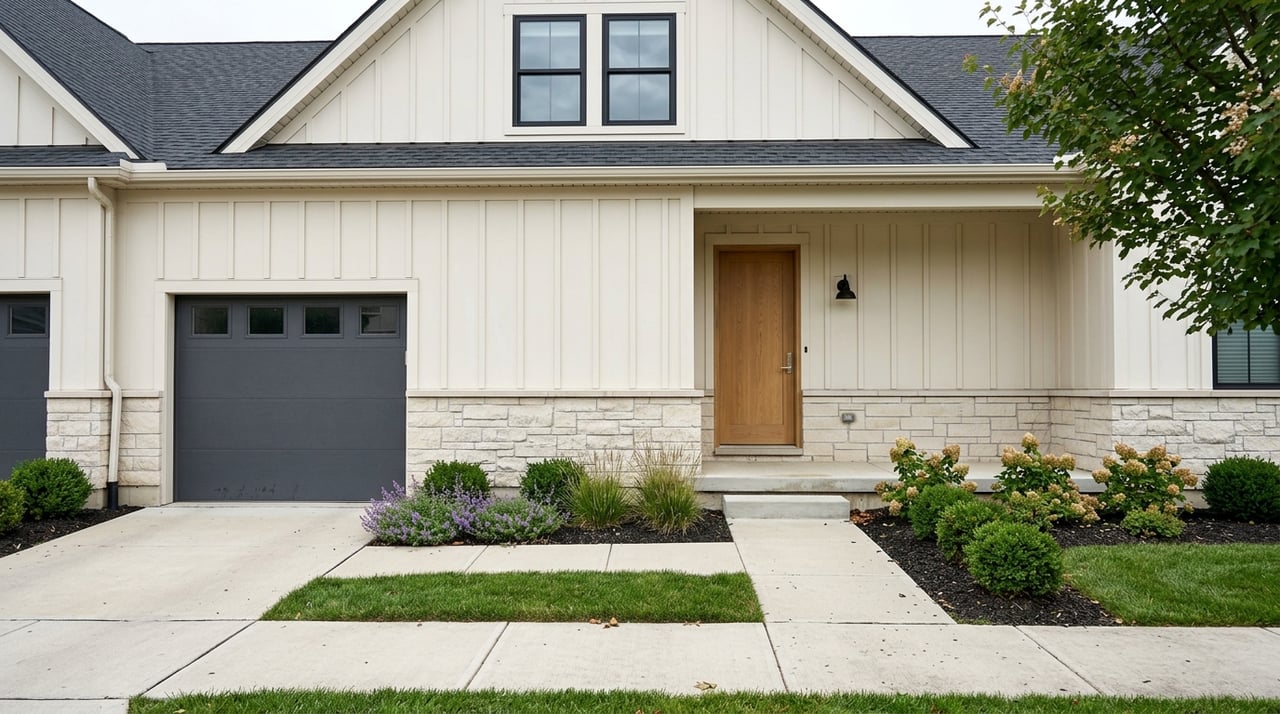
Warrenville also appeals to buyers who do not want a large detached home. The meaningful share of attached homes and smaller multifamily buildings gives the city more flexibility than people often expect.
City planning materials also note that recent rental development would add roughly 1,012 units and roughly double rental supply. While that is rental-focused, it still reflects a broader housing strategy that aims for a more balanced housing stock.
For buyers, the takeaway is simple: Warrenville is not just for one life stage. It can fit first-time buyers, downsizers, relocation buyers, and people who want a lower-maintenance setup near green space and regional access.
How Warrenville Balances Quiet and Convenience
A big reason buyers consider Warrenville is that it offers a quieter setting without feeling cut off. You get the open-space story, but you also get practical access to work, retail, and regional transportation.
The city says Warrenville is anchored by the Winfield Road interchange on I-88. It also identifies Cantera as its largest employment center, and the Cantera development page says more than 5,000 people work there.
That combination can matter if you want a nature-oriented suburb that still supports a realistic weekday routine. You are not choosing between lifestyle and logistics to the same degree you might in a more remote location.
Commuting and Transit
Warrenville remains mostly car-oriented. CMAP reports that 73.6% of workers drive alone, while 13.9% work from home and 2.4% use transit.
At the same time, there are useful transit connections. The city says Pace Route 676 provides rush-hour feeder service from north and central Warrenville and northwestern Naperville to the Naperville Metra Station, with reverse service to Cantera Business Park.
The city also references Ride DuPage and rideshare access options for eligible residents. If you are relocating, the practical takeaway is that Warrenville supports suburban car travel first, while still offering transit links that can help in certain commute patterns.
What Homebuyers Should Notice
If Warrenville is on your list, it helps to focus on the features that truly shape day-to-day living here. The biggest story is not just that there are parks nearby. It is that open space, paths, and preserves are extensive, connected, and highly usable.
The next thing to notice is the housing mix. Because the city includes detached homes, attached homes, and multifamily options, your search can be more flexible than in a suburb with a narrower inventory profile.
You should also pay attention to how different parts of Warrenville may align with your goals. City planning references include both an Old Town/Civic Center subarea and a Southwest District plan near Route 59 and Butterfield Road, which suggests that different sections of the city may offer different surroundings and development patterns.
Is Warrenville Right for You?
Warrenville may be a strong fit if you want a smaller suburban setting with direct access to trails, preserves, and regional recreation. It can also make sense if you want to stay connected to Naperville, the I-88 corridor, and west suburban employment centers without living in a busier environment.
For some buyers, the appeal will be established neighborhoods and detached homes. For others, it will be attached housing, lower-maintenance living, or the chance to find value in an established community with a varied housing stock.
The key is knowing how to evaluate the trade-offs. Home style, location within town, commute habits, and renovation tolerance can all shape whether Warrenville is the right match for your next move.
If you are comparing Warrenville with nearby western suburbs, a local strategy can make the process much clearer. The team at Monarque Group can help you weigh neighborhood feel, access, inventory options, and market positioning so you can move with confidence.
FAQs
What is Warrenville, Illinois known for?
- Warrenville is known for its small-town feel, access to the West Branch DuPage River, the Illinois Prairie Path, and a large surrounding network of forest preserves and open space.
What kinds of homes can you buy in Warrenville?
- Warrenville has a mixed housing stock that includes detached single-family homes, attached single-family homes, and smaller multifamily buildings, with much of the housing built between 1970 and 1989.
How big is Warrenville, Illinois?
- The Census Bureau’s 2024 estimate places Warrenville at about 15,247 residents with 5.46 square miles of land.
What is commuting like from Warrenville?
- Warrenville is largely car-oriented, with access to I-88 and the Winfield Road interchange, and it also has Pace Route 676 service connecting parts of Warrenville to the Naperville Metra Station and Cantera Business Park.
Why do homebuyers consider Warrenville?
- Buyers often consider Warrenville for its combination of preserved open space, connected trail access, established neighborhoods, varied housing options, and practical access to Naperville and the I-88 corridor.